
Top Non-Invasive Fat Reduction in Seoul: Your Body Contouring Solution Awaits
Picture yourself slipping into a favorite outfit in Seoul, feeling confident as you target stubborn pockets of fat without any needles or downtime. Non-invasive fat reduction Seoul uses advanced technologies like cooling or ultrasound to gently break down fat cells, which your body then naturally eliminates over a few weeks. This friendly approach lets you sculpt areas like the abdomen or thighs during a quick lunch break, gradually revealing smoother contours with minimal discomfort and no surgery required. Non-invasive fat reduction Seoul is your customizable path to a subtly refined silhouette, fitting effortlessly into your daily rhythm.
What to Expect from Body Contouring Sessions in Seoul
Walking into a body contouring session in Seoul for non-invasive fat reduction, you’ll first have a quick consultation where a technician maps your target areas with a tablet—expect this to take about 15 minutes before any machine touches you. The treatment itself feels like a deep, warm按摩 with suction pulses, not pain, though you’ll hear loud clicking from devices like CoolSculpting or ultrasound cavitation. Sessions run 30–60 minutes, and you can head straight back to sightseeing—no downtime. You won’t see changes immediately; instead, your body needs two to three weeks to flush out the destroyed fat cells, so patience is the real part of the process. Clinics often bundle a lymphatic drainage massage afterward, which boosts results but adds 20 minutes. Most people book 4–6 visits, spaced two weeks apart, to hit stubborn belly or chin fat. Expect mild redness and tenderness for a day, but nothing that stops you from eating tteokbokki that night. Results peek around eight weeks post-session, so judge your progress then, not on the way out.
How Many Treatments Are Typically Needed for Visible Results?

Most people start noticing real changes after **two to three sessions** of non-invasive fat reduction in Seoul, though your exact number depends on the device and your body. Typically, clinics recommend a treatment plan of 4 to 6 sessions spaced two to four weeks apart for optimal fat loss. For example:
- Session 1–2: subtle softening, no visible shrinkage
- Session 3–4: noticeable contouring and reduced thickness
- Session 5–6: final sculpted results that last with good habits
Your provider will assess your progress mid-plan and may adjust the total. Don’t expect dramatic changes after one visit—your body needs time to flush out treated fat cells.
Does the Procedure Hurt, and What Does the Sensation Feel Like?
Most non-invasive fat reduction sessions in Seoul are surprisingly comfortable, and you won’t feel any sharp pain. During the first few minutes, you’ll notice a deep, tingling cold sensation as the cooling applicator grips the area—this is the most intense part, but it fades quickly as the skin numbs. For ultrasound or radiofrequency devices, you’ll feel a warm, buzzing vibration rather than pain. The treatment rhythm typically goes:
- A sudden cold or suction pull when the applicator locks on (lasts 30–60 seconds).
- A dull, numb ache, similar to a muscle cramp, that settles into a tolerable pressure.
- A mild prickling or warmth during the final few minutes as the device releases.
Afterwards, the treated zone may ONDA lifting seoul feel tender, like a bruise, but never stings. Most clients—even those with low pain tolerance—watch a show on their phone throughout, and only describe the experience as “odd” rather than painful.
Key Technologies Used for Targeted Fat Removal in Korea’s Capital
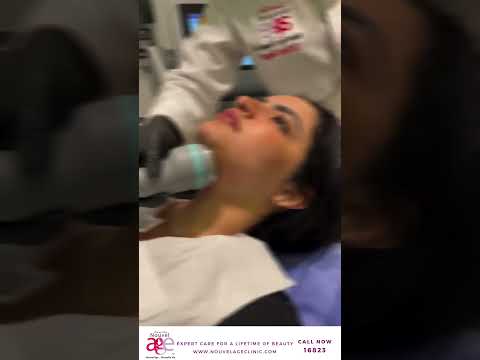
In Seoul, the clinics lining Apgujeong and Gangnam wield a precise arsenal for targeted fat reduction, where high-intensity focused ultrasound (HIFU) is the quiet workhorse—delivering thermal energy deep into adipose layers without a single incision, often used on the abdomen and flanks during a lunch break. Alongside it, cryolipolysis devices (like CoolSculpting) freeze stubborn pockets on the love handles or inner thighs, with technicians mapping the applicator’s angle to Korean body contours, which tend to require smaller, curved paddles for a seamless result. Radiofrequency (RF) platforms, such as Vanquish, add a contactless heat wave that tightens skin over the treated zone, a step many locals prioritize since elasticity loss is a common worry. *Yet the real nuance emerges in how these technologies are layered—clinics often switch between HIFU and RF within a single session, matching energy type to the patient’s fat density and skin laxity, something Western protocols rarely customise this aggressively.* This sequential approach, guided by real-time ultrasound imaging, ensures that each pulse lands only where subcutaneous fat sits thickest, leaving surrounding tissue untouched. For a visitor, the experience feels less like a procedure and more like a bespoke sculpting session, where every device choice is tied to the exact click of a handheld probe against your skin.
Cryolipolysis vs. HIFU vs. Radiofrequency: Which One Fits Your Goals?
Choosing between cryolipolysis, HIFU, and radiofrequency in Seoul depends on your primary target tissue. Cryolipolysis freezes fat cells, which then die and are metabolized—ideal for pinchable bulges resistant to diet, offering a reduction of up to 25% per session, but requiring multiple visits. HIFU delivers focused ultrasound to disrupt deeper fat and tighten overlying skin simultaneously, suitable for smaller, firmer pockets with a contouring effect, yet it carries a sharper thermal sensation. Radiofrequency heats the dermis and subcutaneous fat, promoting collagen contraction and lymphatic drainage—best for mild laxity and cellulite, though its fat-reducing outcome is subtler than cryolipolysis. For a purely volumetric fat loss, choose cryolipolysis; for dual-action skin tightening and fat, choose HIFU; for overall texture and firmness, choose radiofrequency.
| Method | Best Goal | Key Limitation |
|---|---|---|
| Cryolipolysis | Fat bulge reduction | No skin tightening |
| HIFU | Deep fat + lift | Painful, precise areas only |
| Radiofrequency | Laxity + cellulite | Small fat loss effect |
How to Match the Right Device to Your Specific Problem Areas
Matching the right device to your problem areas begins with mapping fat morphology, not just location. For stubborn lower-abdominal pockets or bra-line bulges, choose focused cryolipolysis platforms with adjustable suction and flat applicators that mold to curved contours. If you target the inner thighs or upper arms, where skin laxity often coexists with fat, select radiofrequency-assisted suction systems that tighten collagen while reducing volume. For visceral or thick flank fat, high-intensity focused ultrasound (HIFU) penetrates deeper, disrupting adipocytes without surface cooling. Always cross-check applicator size against your measured circumference—too small creates ridges; too large misses the precise crease. Remember: a device’s wavelength or cooling depth should match your subcutaneous thickness, which a clinic’s caliper or ultrasound assessment reveals.
- Measure pinch thickness first—cryo suits thin (under 2 cm), HIFU suits thick layers.
- Use dual-handle devices for submental and jowl areas to avoid skin sagging.
- For post-pregnancy lower belly, pick vacuum-based radiofrequency to lift the overlying dermis.
How to Choose a Clinic for Safe Body Sculpting in Seoul
When choosing a clinic for safe body sculpting in Seoul, prioritize those that offer a preliminary body composition analysis and personalized treatment plan. For non-invasive fat reduction Seoul, verify the clinic uses FDA-cleared or KFDA-approved devices, such as cryolipolysis or high-intensity focused ultrasound, and ask to see the actual machine model before your session. Confirm that a licensed physician conducts the consultation and assesses your candidacy, rather than leaving decisions solely to sales staff. Request a live demonstration of the cooling or ultrasound applicator on a small area to assess your tolerance and ensure the practitioner adjusts energy levels based on your skin thickness. Finally, check real client reviews focusing on side effects like bruising or uneven results, and avoid clinics that push multiple sessions upfront without explaining realistic outcomes.
What to Look for During a Consultation Appointment
During your consultation for non-invasive fat reduction in Seoul, assess whether the provider conducts a thorough body composition analysis rather than relying on visual estimates alone. A credible clinic will measure subcutaneous fat thickness with calipers or bioimpedance tools to map targeted zones, then explain realistic contouring outcomes based on your skin elasticity and fat density. Scrutinize how they address contraindications—for instance, whether they inquire about hernia mesh or abdominal surgeries that could interfere with focused ultrasound. Ask to see the exact device model they intend to use, and verify that the practitioner—not just a sales consultant—demonstrates the handpiece’s placement logic on your body. Finally, request a breakdown of expected sessions, interval spacing, and how they will track progress with standardized photography angles, so you leave with measurable criteria rather than vague promises.
Questions to Ask About Device Authenticity and Practitioner Experience
Before committing to any non-invasive fat reduction Seoul clinic, ask for the exact model and serial number of the device, then verify it against the manufacturer’s official website for regional authorization. Inquire whether the practitioner is a board-certified physician or a trained nurse, and request their specific years of hands-on experience with that precise technology. Crucially, ask how many procedures they have performed on your body type and how they adjust parameters for different skin laxity levels. A credible clinic will readily show before-and-after photos from their own patients, not stock images, and will explain why they chose a particular applicator size for your anatomy. This level of interrogation separates results-driven care from generic, protocol-based treatments.
Preparing for Your Fat Reduction Appointment in Seoul
Before your non-invasive fat reduction Seoul appointment, drink plenty of water for 48 hours—skip alcohol and caffeine to reduce bruising. Wear loose, comfortable clothes so the clinician can access the target area easily. Avoid anti-inflammatory medications like ibuprofen or aspirin for a week prior, as they can interfere with the body’s natural clearing process. Arrive with clean, product-free skin; don’t apply lotions or creams on the day. Eat a light meal two hours before your session—being too hungry can make you shaky during the 40-minute procedure. Most importantly, bring a list of your current medications and any previous body-contouring history, since the machine settings for your non-invasive fat reduction Seoul treatment will be tailored to your unique tissue density. Clear your schedule for the afternoon; you can return to work immediately, but your treated area will feel tender and numb.
What to Avoid Eating or Drinking Before the Session
Avoid heavy, greasy meals and excessive alcohol for at least 24 hours before your non-invasive fat reduction Seoul session; these can increase inflammation and reduce treatment precision. Skip caffeine and sugary drinks on the day, as they may heighten nerve sensitivity and make you restless on the table. Do not fast, though—a light, protein-rich snack like boiled eggs or Greek yogurt is ideal. Also, steer clear of carbonated beverages and gas-producing foods (broccoli, beans) to prevent bloating that distorts the targeted contour area. Hydrate with plain water only, and never consume blood-thinning supplements or herbal teas (ginger, ginkgo) beforehand, as they can exacerbate bruising.
What to avoid eating before fat reduction is clear: stay away from fried foods, excess salt, and processed sugars for two days prior. These promote water retention, which can interfere with the device’s energy delivery and your final results.
Q: What is the most critical food to avoid before a fat freezing session in Seoul?
A: Anything deep-fried or high in trans fats—these increase systemic inflammation and reduce the body’s natural clearance of disrupted fat cells, slowing results.
How to Dress and What to Bring for a Comfortable Visit

Wear loose, comfortable clothing like sweatpants or a zip-up hoodie, since you’ll likely be changing into a clinic gown. For the session, skip tight jeans or shapewear—they’ll only annoy you post-treatment. Bring a pair of socks, as your feet might get cold while you relax on the table. Toss in a light snack and a water bottle to stay fueled, especially if you’re touring multiple clinics. Also, pack a copy of your ID and any prior consultation notes. A small fanny pack beats a heavy bag, since you’ll be moving between rooms fast. Most importantly, leave jewelry at home. Choose layered, flexible outfits to adapt to Seoul’s varying indoor temperatures.
Aftercare Tips to Maximize Your Slimming Results
After your non-invasive fat reduction session in Seoul, the real work begins in the quiet hours, when your body’s lymphatic system starts flushing the disrupted fat cells. To maximize results, drink warm water infused with lemon or barley tea throughout the day—not just for hydration, but to gently nudge your metabolism after the intense cooling or ultrasound waves. Walk briskly for at least thirty minutes daily around your Gangnam hotel, letting your muscles contract and push stagnant fluids away from treated zones. Skip the jjimjilbang sauna for 48 hours, as excessive heat can dull the inflammatory response your practitioner just triggered. Massage the treated area with dry, upward strokes every morning, breaking up any temporary firmness while boosting circulation. Eat light, protein-rich meals like grilled chicken or tofu soup to support cellular turnover without overwhelming your liver. *The results you see in Seoul depend less on the machine and more on the silent discipline you carry back to your hotel room.*
Immediate Post-Treatment Care: What to Do in the First 24 Hours
The first 24 hours after your session in Seoul are about protecting the work you just started. Immediately post-treatment, drink plenty of water to flush out the disrupted fat cells, and avoid any anti-inflammatory medication like ibuprofen, which can interfere with the process. You should also skip the gym—no intense cardio or weightlifting—as your body needs energy for cellular cleanup, not recovery. Expect mild soreness, swelling, or redness; these are normal. Gently massage the area only if your clinician instructed you to. For your best outcome, adhere strictly to these rules, as this window is critical for optimal fat elimination.
- Apply a cold pack for 10–15 minutes at a time to ease swelling, never ice directly on the skin.
- Wear compression garments if provided; they help maintain even pressure on the treated zone.
- Avoid hot showers, saunas, or steam rooms to prevent increasing localized inflammation.
- Do not consume alcohol for at least 24 hours to support your liver’s detoxification role.
Lifestyle Habits That Help Maintain the Contouring Effect Longer
To keep your non-invasive fat reduction Seoul results visible, treat hydration as a non-negotiable daily ritual—drinking at least two liters flushes processed lipids and prevents bloating that masks contours. Pair this with consistent low-impact cardio, like brisk walking or cycling, for 30 minutes, five days a week, to metabolize treated fat cells before they settle elsewhere. Prioritize protein-rich meals to maintain muscle tone, which naturally holds the sculpted shape. Weekly stretching or Pilates improves posture, elongating the silhouette so the contouring effect looks sharper. Sleeping seven to eight hours curbs cortisol, a hormone linked to belly fat storage. Finally, schedule monthly maintenance massages to break up minor fluid retention.
Q: How soon must I adopt these lifestyle habits after my Seoul treatment?
Start immediately—within 48 hours—so your metabolism recalibrates while the apoptosis process is still active, ensuring the eliminated fat doesn’t redistribute. Consistency in week one doubles the longevity of your results.
Common Mistakes to Avoid When Booking Body Fat Reduction Services
When booking non-invasive fat reduction in Seoul, the most common mistake is prioritizing price over the clinic’s technology authenticity—counterfeit or older devices yield zero results. Another critical error is skipping a consultation for personalized candidacy assessment; fat reduction isn’t a weight-loss tool, and treating it as such wastes money. Many visitors also book multiple sessions upfront without testing one treatment, ignoring that your body’s response to the first session dictates the true number of sessions needed. Finally, avoid clinics that rush you into packages before explaining realistic outcome timelines—non-invasive fat reduction in Seoul typically requires 6–8 weeks for visible changes. Always confirm the exact machine model and demand a patch test to prevent burns or lumps from improper settings.
Why Choosing the Cheapest Deal Can Cost You Results
Choosing the cheapest deal for non-invasive fat reduction in Seoul often means compromising on device quality, practitioner skill, and the number of sessions actually needed to see change. Budget clinics may use outdated machines that require more visits, ultimately costing more than a single effective package elsewhere. They might also dilute energy settings to save on consumables, leaving you with zero measurable results—a total waste of time and money. Proper candidate assessment and customized treatment planning are frequently skipped in discount offers, leading to mismatched procedures that fail your body type. Repeated touch-up sessions at a low price are rarely more economical than one thorough, higher-cost treatment performed correctly. Always verify the specific technology and total expected outcome before paying upfront.
How to Spot Unrealistic Promises and Avoid Disappointment
To spot unrealistic promises in non-invasive fat reduction Seoul, anchor your expectations to the science: credible clinics never guarantee a specific number of centimeters lost in one session. Red flags include before-and-after photos with dramatic, immediate results or claims of “permanent” fat removal—your body can still store fat elsewhere. Compare multiple provider consultations and ask for a realistic timeline, typically 2–3 months with multiple sessions. If a package feels rushed or pressure-heavy, walk away. The sequence to protect yourself:
- Request a body composition analysis to set a baseline.
- Ask for the exact device model and expected fat reduction range.
- Demand a written treatment plan with realistic session counts.
Disappointment arises when desire outpaces biology—trust gradual, measurable change over hype.